

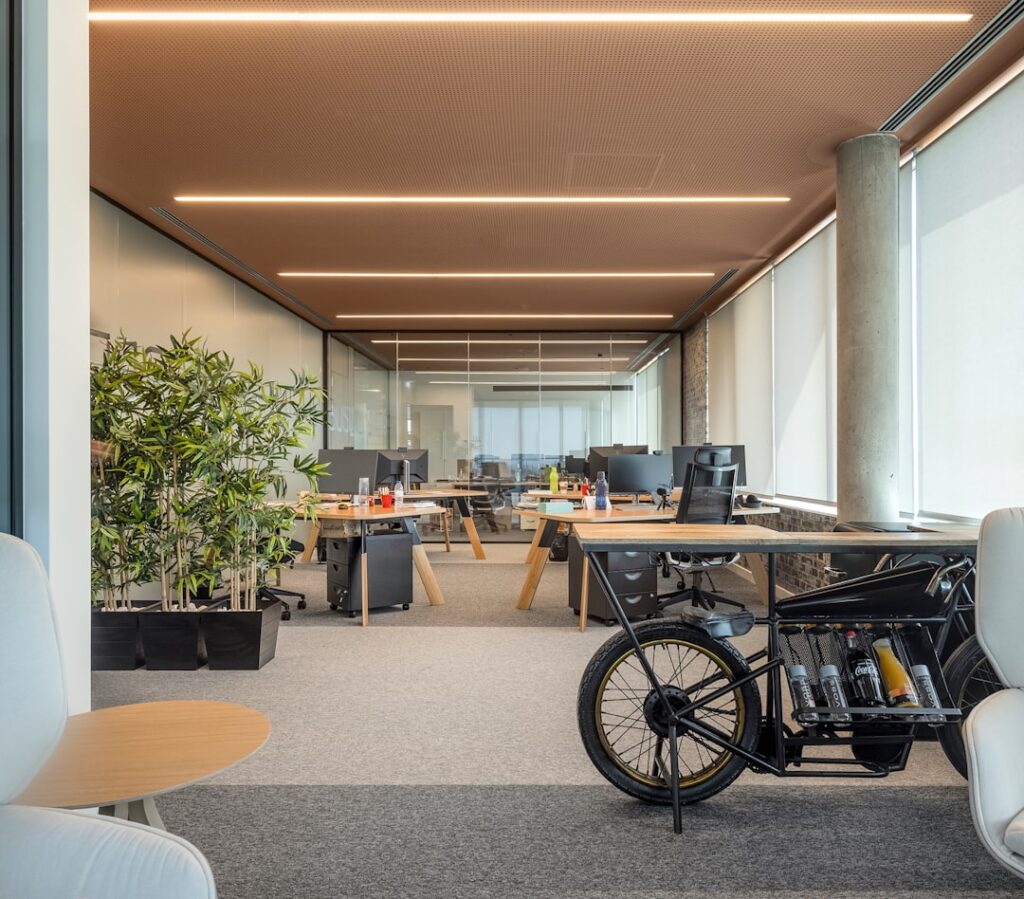
With the rise of hybrid work, more and more companies are realising that their office spaces are not being used efficiently. But who wants to pay a small fortune every month for unused square meters?
In this post, we’ll look at the first steps to optimising office space – with practical examples, key questions and real-life experience to help those planning a new office or rethinking their current setup.
In this post, we’ll look at the first steps to optimising office space – with practical examples, key questions and real-life experience to help those planning a new office or rethinking their current setup.
Before starting the search for a new office, it’s worth carefully considering a few aspects – that way, rent won’t feel like wasted money, but a smart investment that supports efficient workflows and increases employee satisfaction.
Office functions
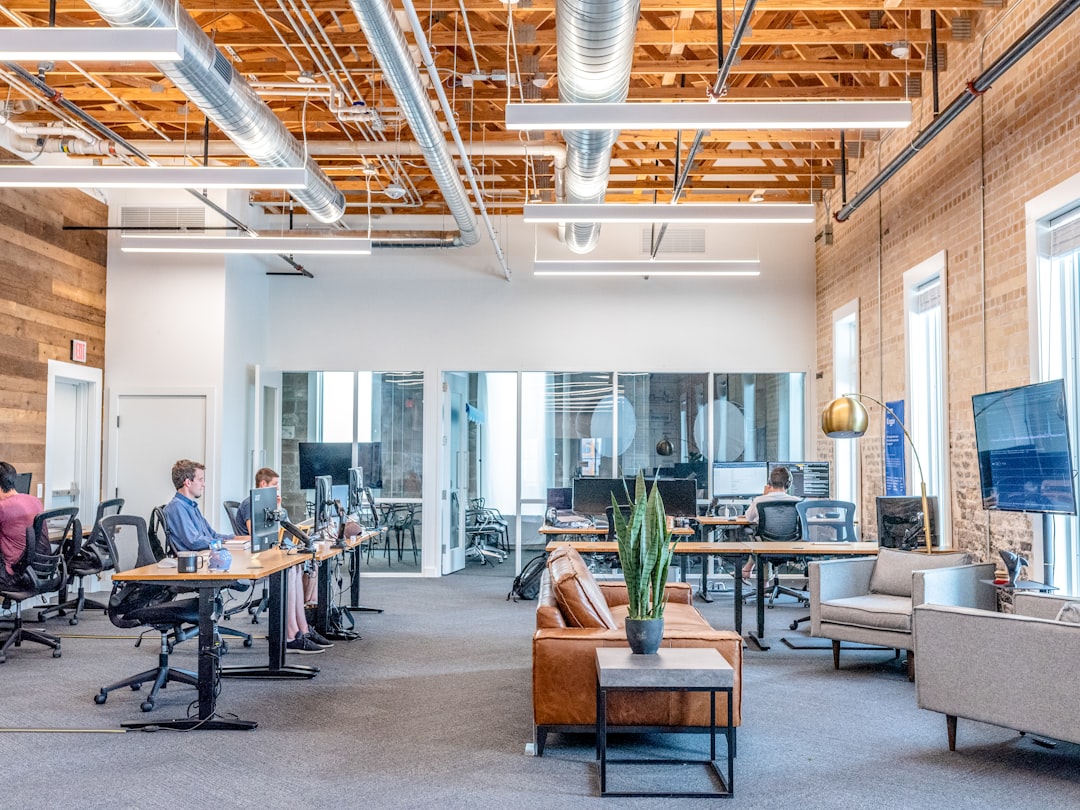
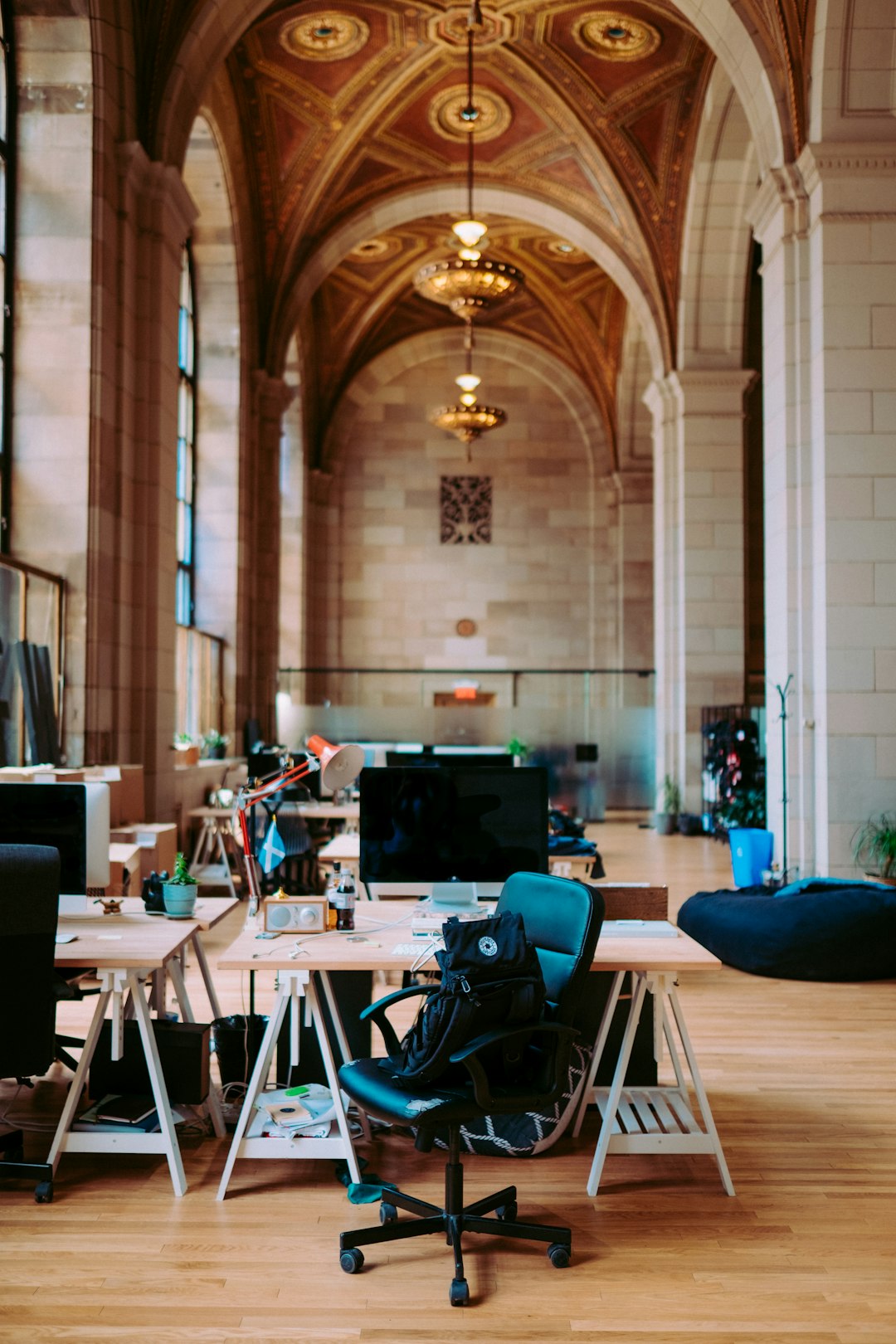
The first step is to have a clear idea of what kind of office space best supports how your company works. It’s useful to involve a few key people and discuss together which functions of your organisation are directly affected by the office space.
This might include client meetings, internal events, or the need for special-purpose areas – for example, rooms for testing computers, creating a lab space, or securing limited-access areas.
Once you’ve mapped out the needs, speak directly with the colleagues involved in those processes. Have a detailed conversation about how things currently work, what could be improved, and what ideas they have for making workflows smoother, faster, or simply more comfortable.
When I participate in such a conversation, I am always surprised at how small things can make a difference in whether someone does their job with joy and enthusiasm, and how little effort it takes to eliminate most of the problems that cause daily annoyance.
During one project, for example, several people pointed out that the kitchenette is half a floor above the event space, so they regularly have to carry heavy trays up the stairs. Two solutions were found in the new office: we placed the kitchenette right next to the event space and designed a small storage area in the kitchen that could accommodate two serving trolleys, eliminating the need to balance trays.
At another site, extra chairs were a problem: they could only be retrieved from the far end of the largest meeting room, meaning any room rearrangement had to happen after events, often beyond regular hours. In the new space, we created a small chair storage room using an otherwise unused section of the hallway.
These examples show that if we thoroughly map out the needs and listen to the employees, meaningful improvements can be made even with minimal cost. And these kinds of changes also send a strong message: we pay attention to each other.
Office functions
Another essential step when looking for a new office space is to review work processes. It’s worth going through the organisational chart and considering who works closely together, where physical proximity would help, and which rooms need easy access to each other.
Sometimes a few meters of difference can save a lot of time – for example, if a manager and their assistant have a connecting door between their offices.
Who sits near whom can also be important in terms of teamwork and information flow. Although much is done digitally, it is often conversations by the coffee machine that bring the best ideas or speed up decision-making.
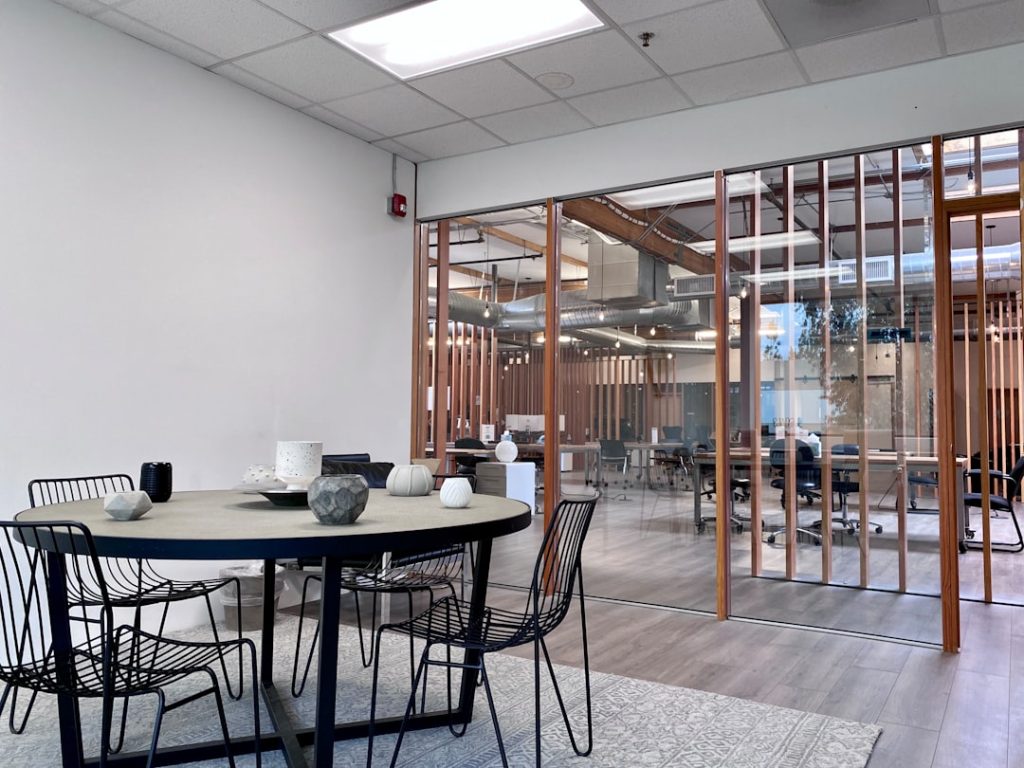
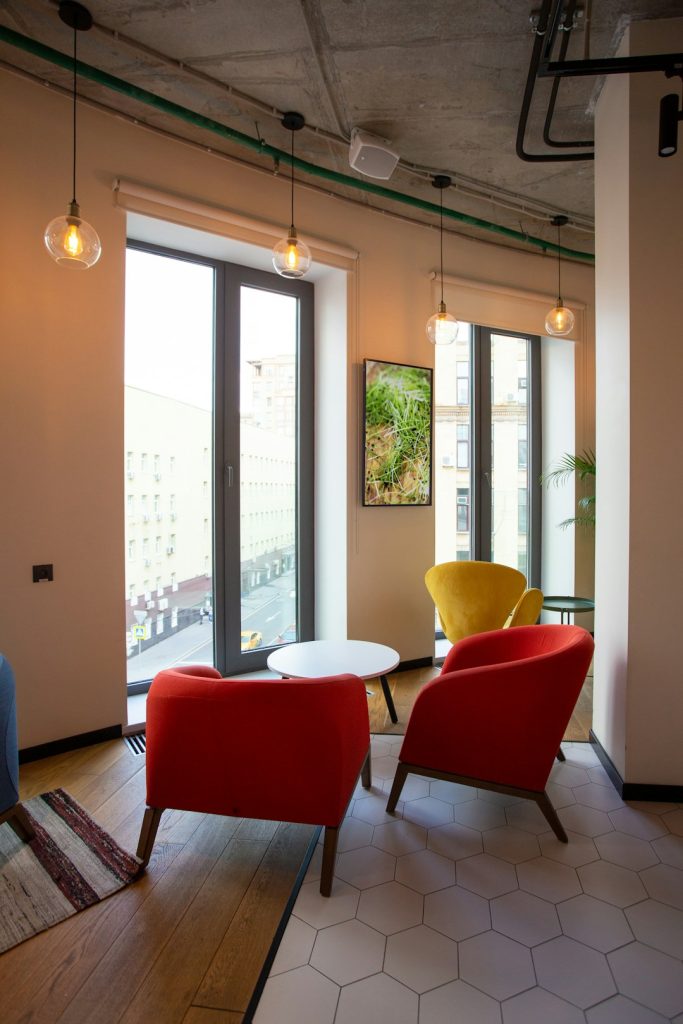
It’s equally important to think about what kind of spaces support the actual work. An open-plan layout may encourage collaboration, while in other cases quiet zones might be needed for focused tasks. A common compromise is the inclusion of a “quiet room”, lounge, or creative space – all of which support concentration or idea generation.
You might also ask: should everyone have their own desk, or would a desk reservation system make more sense? Again, it’s worth aligning this with your company’s culture: what works well now, and what might need to change?
Community life
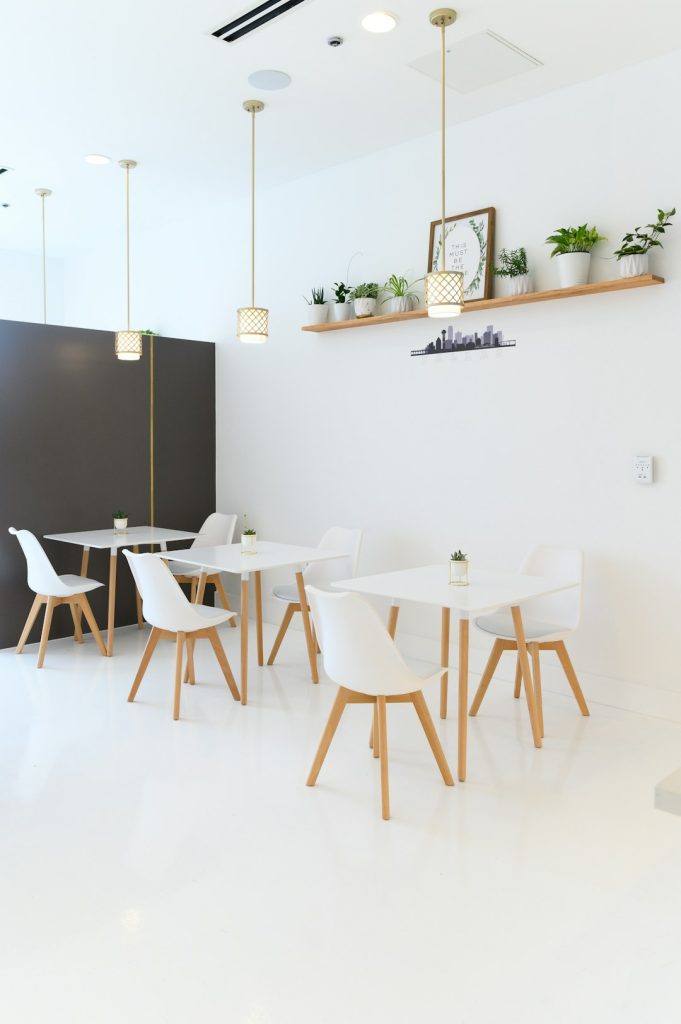
Meeting rooms also deserve special attention: how many seats do you need? Are meetings mostly in person or online? If online, are there soundproof booths available – or does acoustic comfort need to be ensured at the desks? Do you need a room booking system, display screens, or sound equipment?
Storage needs are also often overlooked, yet they can be critical. Is storage space needed at the office level, or is a room in the basement sufficient, which is much more cost-effective? Are there any heavy items that require structural reinforcement? In the case of special rooms, such as server rooms or laboratories, it is worth reviewing the relevant regulations in advance.
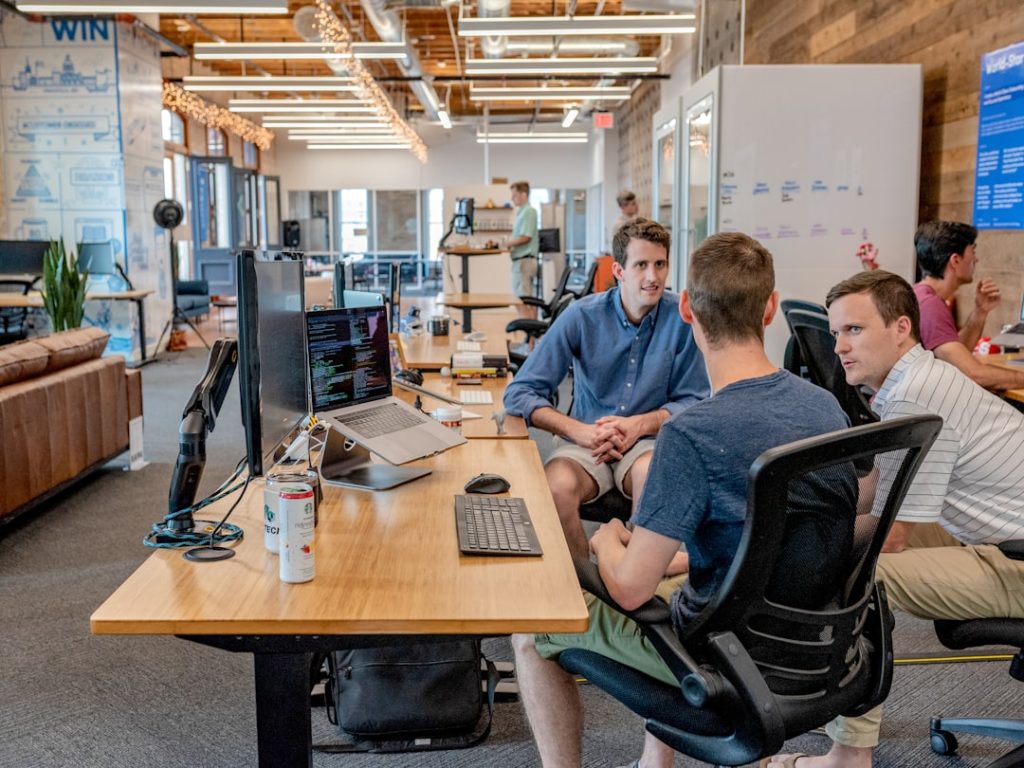
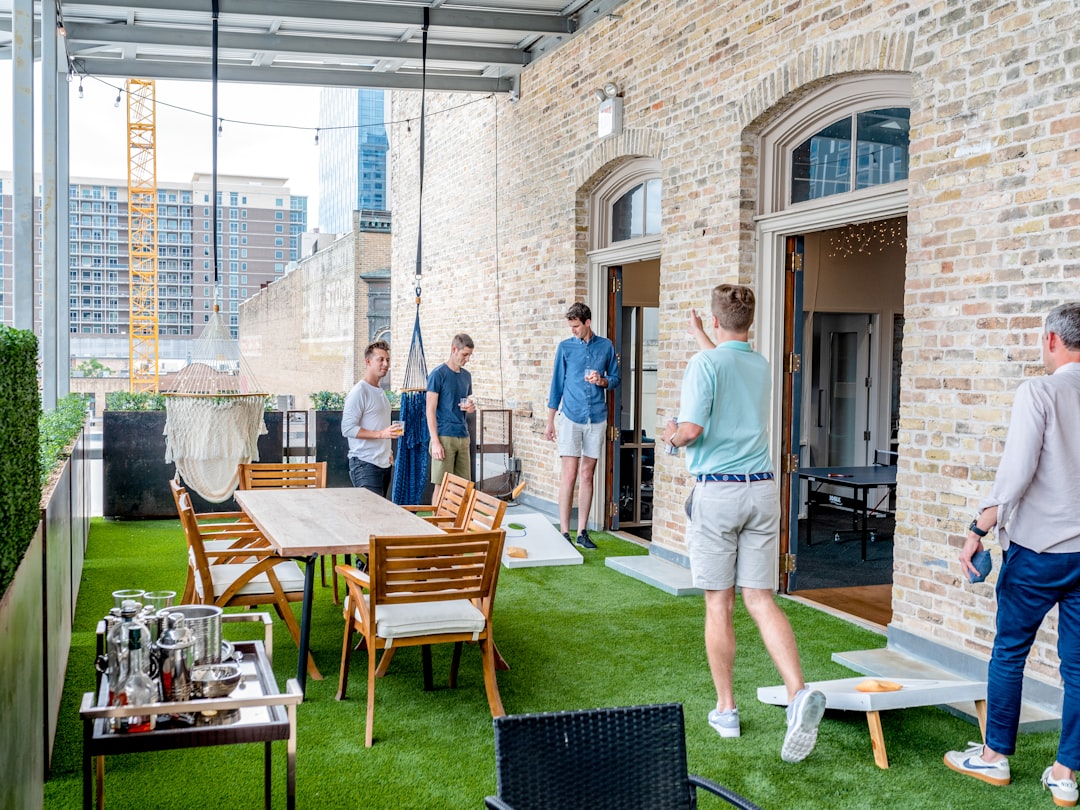
Last but not least: consider how the office supports community life. What kind of events are linked to the office? Do colleagues eat together or go out? Is there interest in team breakfasts, relaxed coffee break meetings, or terrace gatherings?
One company director, for instance, requested that their entire office – almost 1000 square meters – have only one kitchen. The goal was to make it a true community hub. It worked: the large kitchen and café area became a lively space for brunches, conversations, and even evening events. And what’s more, we were able to create a truly inspiring space from a budget that would otherwise have been spent on several small kitchenettes.
Naturally, all these questions raise further questions – but that’s exactly how a detailed requirements specification begins to take shape. And that’s what you need when stepping into the office market to find the right space for your team.
Of course, all this takes time – and it doesn’t always get enough attention alongside daily tasks. If you’re planning a move and would appreciate someone to guide you through these steps, feel free to get in touch – I’d be happy to support you, whether you just need help getting started or full-scale project management for the relocation.